



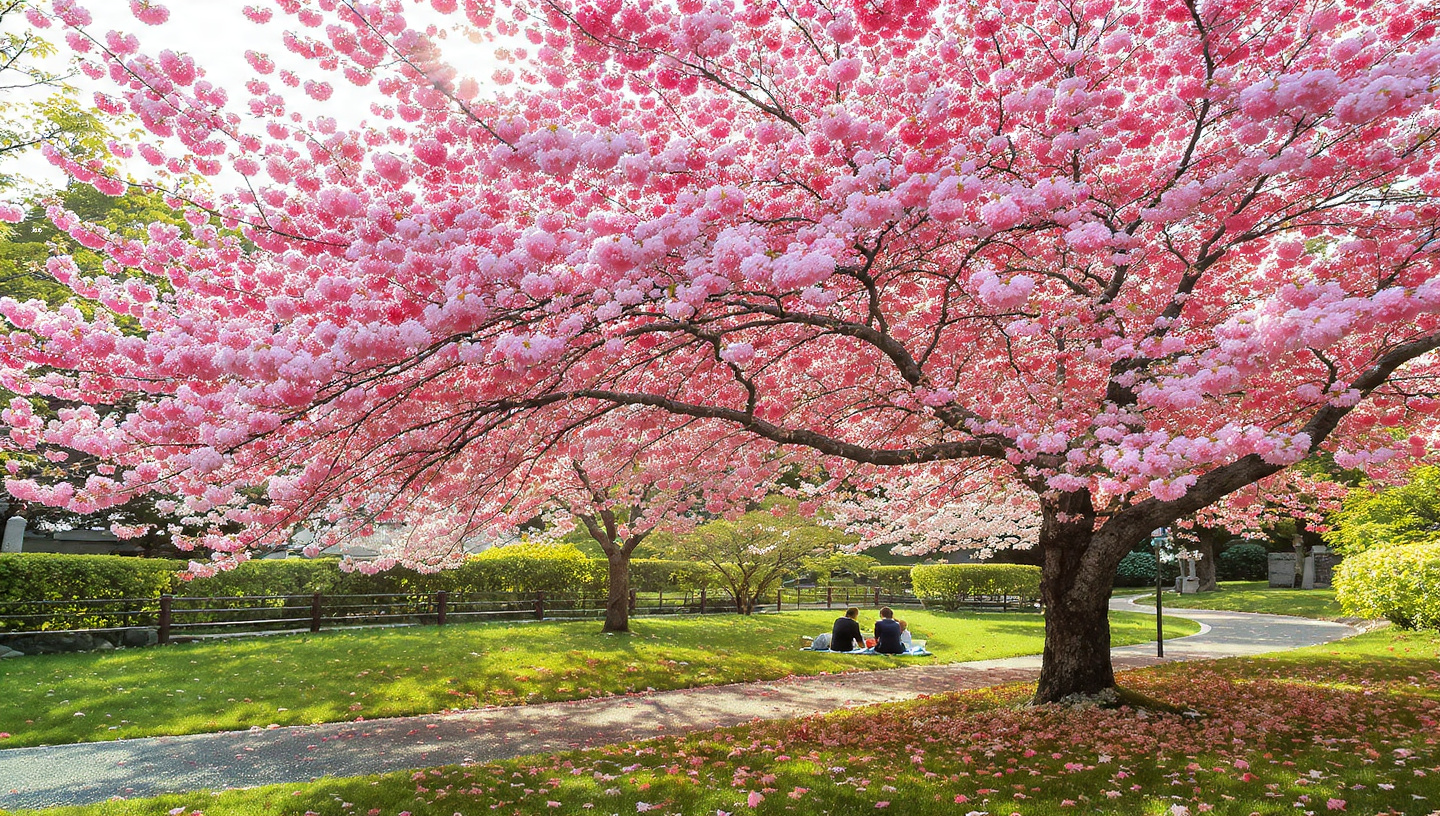
Introduction to Cherry Blossoms
Cherry blossoms, known as sakura in Japanese, carry profound symbolism. They represent the transient nature of life. Their breathtaking beauty and rapid blooming remind us that everything is fleeting.
- Introduction to Cherry Blossoms
- Best Places to View Cherry Blossoms in Japan
- Traditional Festivals and Celebrations of Cherry Blossom Season
- The Art of Hanami: Japanese Custom of Picnicking Under the Blossoming Trees
- The Hidden Magic of Sakura: Legends and Folklore Surrounding Cherry Blossoms
- Modern Interpret
- History and Cultural Significance of Cherry Blossoms in Japan
In Japan, these delicate flowers evoke a sense of renewal and hope. Each spring, their arrival signifies new beginnings. People gather to celebrate this seasonal transformation.
Sakura also embodies the spirit of resilience. Despite facing harsh winters, they emerge vibrantly every year. This tenacity resonates deeply with Japanese culture.
Moreover, cherry blossoms symbolize unity and togetherness. Families and friends come together under their canopies for picnics and festivities during hanami season.
Their petals are often linked to love and romance too—making them a popular motif in art and literature. The ephemeral charm of cherry blossoms captivates hearts across generations while echoing timeless truths about existence itself.
Best Places to View Cherry Blossoms in Japan
Japan is a paradise for cherry blossom enthusiasts. The country offers numerous breathtaking spots to witness the stunning spectacle of Cherrysakura in full bloom.
Tokyo’s Ueno Park is iconic, boasting over a thousand sakura trees lining its paths. Here, visitors can immerse themselves in an atmosphere filled with laughter and joy during peak blooming season.
In Kyoto, the Philosopher’s Path provides a serene stroll along a picturesque canal flanked by delicate pink blooms. This tranquil setting invites quiet reflection amid nature’s beauty.
For those looking to escape the city bustle, Hirosaki Park in Aomori showcases thousands of blossoms against the backdrop of Hirosaki Castle—a scene straight out of a fairy tale.
Don’t forget about Yoshino Mountain in Nara Prefecture. It features expansive slopes covered with countless cherry trees that create an enchanting sight from above when they bloom together like a sea of pink clouds.
Traditional Festivals and Celebrations of Cherry Blossom Season
As spring unfolds, Japan transforms into a tapestry of pastel hues during cherry blossom season. This time is marked by numerous traditional festivals that celebrate the fleeting beauty of sakura.
One of the most famous celebrations is Hanami, where families and friends gather under blooming trees to enjoy food and drink. People spread blankets on the grass, creating vibrant picnic spots filled with laughter and joy.
Cities like Tokyo host large-scale events featuring live music, dance performances, and illuminated night views of the blossoms. These festivities draw locals and tourists alike who come together in appreciation of nature’s wonders.
In smaller towns, local markets pop up selling seasonal treats like sakura mochi—a sweet rice cake wrapped in cherry leaves—adding flavor to this enchanting experience. Each region boasts its own unique traditions, making every celebration distinct yet universally cherished throughout Japan.
The Art of Hanami: Japanese Custom of Picnicking Under the Blossoming Trees
Hanami is more than just a tradition; it’s an experience that captures the essence of spring in Japan. Families and friends gather under blooming cherry trees, embracing the fleeting beauty of the blossoms.
During this season, parks transform into vibrant landscapes filled with laughter and joy. Blankets are sprawled out on lush grass, creating cozy picnic spots adorned with homemade bento boxes and refreshing drinks.
People indulge in seasonal delicacies while admiring the delicate pink petals fluttering down like confetti. Each petal carries stories, memories, and hopes for renewal.
Photographers capture these moments, freezing them in time amidst laughter and camaraderie. The atmosphere is alive with music from traditional instruments to cheerful voices sharing tales.
As day turns to night, lanterns illuminate gatherings beneath the stars—an enchanting sight where nature meets human connection amid cherry blossom magic.
The Hidden Magic of Sakura: Legends and Folklore Surrounding Cherry Blossoms
Sakura, or cherry blossoms, are steeped in enchanting legends that weave through Japan’s cultural fabric. One captivating tale speaks of a goddess named Konohanasakuya-hime. She descended from the heavens to bring forth these delicate blooms, symbolizing love and the transient nature of life.
Another legend tells of a warrior who sought solace under the sakura trees after his fall in battle. His spirit transformed into petals, reminding people of their loved ones every spring as they drift gracefully down to earth.
These stories reflect deeper themes—life’s fleeting beauty and renewal. Each blossom serves as a reminder to cherish moments before they fade away.
Many Japanese believe that spirits dwell within sakura trees, protecting those who honor them with respect. This belief enriches hanami gatherings, where families picnic beneath blooming branches while sharing tales passed down through generations. The magic lies not just in their beauty but also in the history they carry forward.
Modern Interpret
The cherry blossom, or “Sakura,” continues to captivate hearts and minds both in Japan and around the world. In recent years, the significance of Cherrysakura has evolved with modern interpretations that blend tradition with contemporary culture.
Social media platforms are flooded with stunning images during the blooming season. These vibrant visuals serve as a reminder of fleeting beauty and encapsulate moments that resonate deeply within us all. The hashtag #Hanami trends annually, showcasing gatherings under pink canopies where friends celebrate togetherness amidst nature’s splendor.
Artistic expressions have also embraced this iconic flower. From fashion collections inspired by Sakura patterns to films exploring themes of impermanence through its blossoms, the cultural impact is undeniable. Musicians create melodies that evoke nostalgia for springtime picnics beneath blooming branches.
Businesses leverage Cherrysakura’s allure too. Limited-edition seasonal products often incorporate cherry blossom flavors or designs, creating excitement each year among consumers eager to partake in this beautiful phenomenon.
As we witness these modern adaptations unfold, it’s clear that while traditions remain cherished, there is always space for new narratives around Japan’s beloved cherry blossoms. The magic of Cherrysakura lives on—inviting everyone to embrace its beauty in diverse ways across generations.
As winter slowly fades away, a breathtaking transformation sweeps across Japan. The arrival of spring brings with it one of the season’s most enchanting spectacles: cherry blossoms, or cherrysakura as they’re known in Japanese. These delicate pink petals unfurl like whispers against a backdrop of blue skies, captivating both locals and travelers alike.
But these blooms are more than just beautiful sights; they carry deep cultural significance and rich symbolism that resonates throughout Japan’s history. From traditional festivals to personal reflections on life’s fleeting moments, cherrysakura has woven itself into the very fabric of Japanese society.
Join us as we explore the fascinating world of cherry blossoms—their intriguing history, their meanings, and the magic that surrounds them each spring. Whether you’re planning your first hanami picnic or simply curious about this floral phenomenon, prepare to be enchanted by all things cherrysakura!\ The History of Cherrysakura
History and Cultural Significance of Cherry Blossoms in Japan
Cherry blossoms, or sakura, have held a cherished place in Japanese culture for centuries. Their fleeting beauty symbolizes the transient nature of life itself. This connection has deep roots in Japan’s history.
The practice of admiring cherry blossoms began during the Nara period (710-794). As poetry and art flourished, so did the appreciation for these delicate flowers. By the Heian period (794-1185), hanami—flower viewing—became a celebrated tradition among aristocrats.
Sakura trees were often planted near temples and shrines, embodying spiritual meanings tied to renewal and hope. They bloomed each spring as reminders that life is beautiful yet ephemeral.
During samurai times, cherry blossoms represented courage and sacrifice on battlefields. The sight of blossoming trees inspired countless artists throughout history, forever intertwining sakura with Japan’s identity.
Today, their significance endures with festivals celebrating this iconic flower across the nation every spring.
