



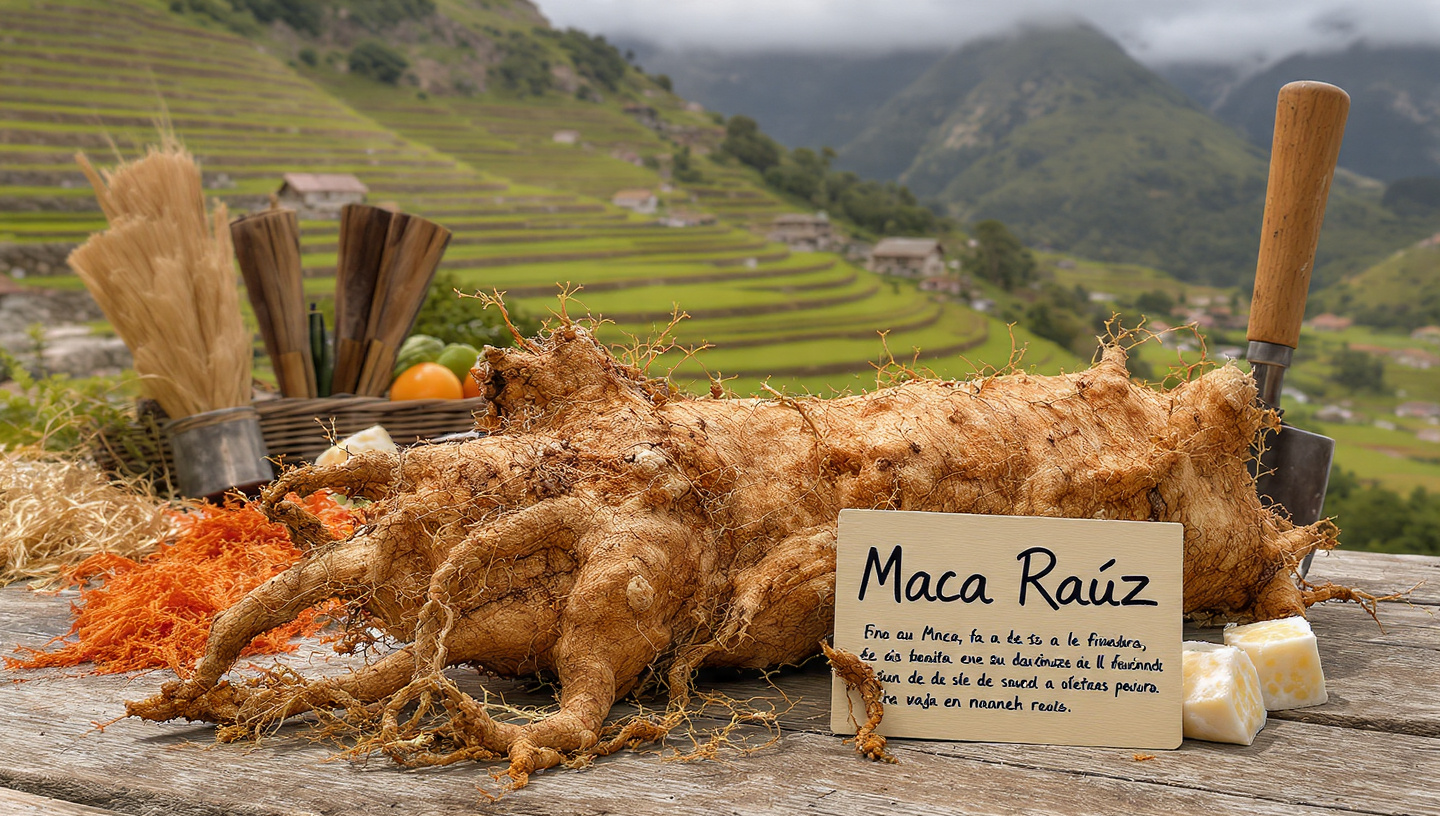
In recent years, Andean Maca Root has become one of the most talked-about superfoods in the health and wellness industry. From smoothies and supplements to energy powders, maca is appearing in kitchens, gyms, and health stores across the globe.
But what exactly is maca root, and why has it gained so much global attention?
This guide explores the origin, nutritional value, benefits, uses, and reasons why Andean maca root is trending worldwide.
What Is Andean Maca Root?
Andean maca, scientifically known as Lepidium meyenii, is a root vegetable native to the high Andes Mountains of Peru. It belongs to the same plant family as broccoli, cabbage, and kale.
The plant grows in extremely harsh conditions at altitudes above 4,000 meters (13,000 feet), which contributes to its unique nutrient density and resilience.
For thousands of years, indigenous Andean communities have used maca as both food and traditional medicine, believing it helps improve energy, stamina, and fertility.
Today, maca is commonly available in several forms:
-
Maca powder
-
Capsules or supplements
-
Extracts
-
Functional foods and drinks
Because of its nutritional richness and potential health benefits, maca is often referred to as “Peruvian ginseng.”
Nutritional Profile of Maca Root
One of the main reasons maca is labeled a superfood is its impressive nutritional composition.
Maca root contains:
Macronutrients
-
Carbohydrates: about 59–75% (sustained energy source)
-
Protein: around 10–14% including essential amino acids
-
Dietary fiber: supports digestion
-
Healthy fats: including omega fatty acids
Vitamins
-
Vitamin C
-
Vitamin E
-
Vitamin B1, B2, B3, and B6
Minerals
-
Calcium
-
Iron
-
Potassium
-
Zinc
-
Magnesium
-
Copper
-
Selenium
Unique Plant Compounds
Maca also contains special bioactive compounds such as:
-
Macamides
-
Macaenes
-
Glucosinolates
-
Polyphenols
These compounds are believed to contribute to many of maca’s potential health effects.
Key Health Benefits of Andean Maca Root
1. Natural Energy Booster
Maca is widely used to increase energy, endurance, and stamina. Unlike caffeine, it does not stimulate the nervous system directly but may support sustained energy levels through its nutrient profile.
This is why athletes and fitness enthusiasts often include maca in pre-workout smoothies.
2. Supports Hormonal Balance
Maca is known for its potential role in supporting hormone balance, particularly for women experiencing menopause or hormonal fluctuations.
Some studies suggest maca may help reduce symptoms such as:
-
Mood swings
-
Hot flashes
-
Hormonal imbalance
However, more scientific research is still needed to confirm these effects.
3. May Improve Libido and Fertility
One of the most well-known traditional uses of maca is for enhancing sexual health.
Research suggests it may:
-
Improve libido
-
Support reproductive health
-
Enhance sperm quality and fertility in men
Because of this, maca is commonly included in natural fertility supplements.
4. Rich in Antioxidants
Maca contains antioxidants that help combat oxidative stress, which can damage cells and contribute to aging and chronic disease.
These antioxidants may support:
-
Immune health
-
Heart health
-
Cellular protection
5. May Improve Mood and Mental Focus
Some research suggests maca could support mental clarity and emotional balance.
Because it may help the body respond to stress, maca is sometimes classified as an adaptogenic plant.
Adaptogens are natural substances believed to help the body manage stress more effectively.
Why Maca Root Is Trending Worldwide
Several factors explain the rapid rise in popularity of this Andean superfood.
1. Growing Interest in Natural Superfoods
Consumers worldwide are shifting toward plant-based nutrition and functional foods.
Maca fits perfectly into trends such as:
-
Organic nutrition
-
Vegan diets
-
Functional wellness foods
2. Fitness and Biohacking Culture
Many athletes and health influencers promote maca for:
-
Endurance
-
Hormone support
-
Energy without caffeine
This has boosted its popularity on social media and wellness platforms.
3. Adaptogen Trend
Adaptogenic herbs like:
-
Ashwagandha
-
Rhodiola
-
Ginseng
have become popular in wellness circles, and maca is often included in the same category.
4. Global Supplement Industry
Maca is now widely available in:
-
Protein powders
-
Energy drinks
-
Capsules
-
Nutrition bars
This accessibility has expanded its global demand.
How to Use Maca Root
Maca is versatile and easy to add to daily diets.
Common Ways to Consume Maca
1. Smoothies
Add 1–2 teaspoons of maca powder to fruit smoothies.
2. Coffee or Tea
Mix maca powder into warm drinks.
3. Oatmeal or Yogurt
Sprinkle maca powder on breakfast bowls.
4. Supplements
Capsules and extracts are also widely available.
Typical recommended amounts range from 1,500 to 3,000 mg daily, depending on the product.
Possible Side Effects and Safety
Maca is generally considered safe for most people, but some precautions are necessary.
Possible side effects include:
-
Digestive discomfort
-
Sleep issues
-
Hormonal sensitivity in some individuals
People with certain conditions should consult a doctor before using maca, including those with:
-
Thyroid disorders
-
Hormone-sensitive cancers
-
Pregnancy or breastfeeding concerns
Types of Maca Root
Maca comes in several natural varieties, each with slightly different properties.
Yellow Maca
The most common type and widely used for general nutrition.
Red Maca
Often associated with women’s hormonal health.
Black Maca
Believed to support stamina, mental focus, and male fertility.
The Future of Maca as a Global Superfood
The global demand for functional foods and natural health products continues to grow, and maca is positioned to remain a key player in this market.
Researchers are still studying its potential benefits, but its long history of traditional use and nutrient density make it a promising superfood.
As awareness spreads, maca is likely to become even more common in:
-
sports nutrition
-
wellness supplements
-
plant-based diets
Conclusion
Andean maca root has traveled from the high mountains of Peru to kitchens and health stores worldwide.
Its impressive nutritional profile, potential health benefits, and adaptability in modern diets explain why this ancient root has become a global superfood trend.
Whether used for energy, hormonal support, or overall wellness, maca continues to gain attention as a powerful natural ingredient with centuries of tradition behind it.
