



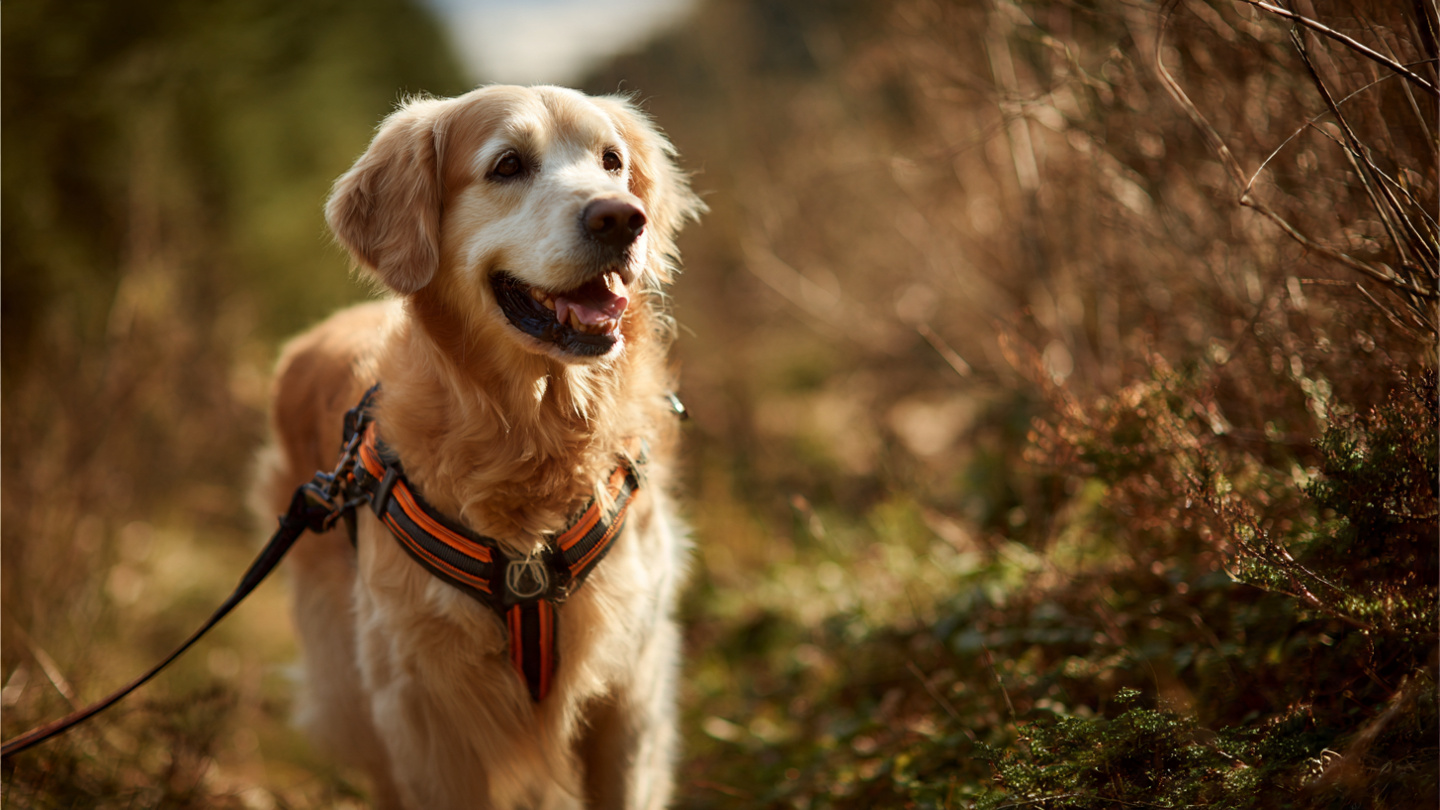
Walking your dog should be one of life’s simple pleasures, not a daily tug‑of‑war.
With the rise of no‑pull harnesses like MyHarness, dog owners are discovering a better way to enjoy outdoor time with their furry companions.
No‑pull dog harnesses are designed to give both you and your dog a more comfortable and controlled walking experience.
While no harness can magically stop pulling without consistent training, a well‑designed model like MyHarness can significantly reduce pulling and make walks smoother and safer for both you and your pet.
In this guide, we’ll explore how MyHarness and similar no‑pull solutions work, why they make walking dogs easier, and what to consider when choosing the right harness.
What Is a No‑Pull Harness and How It Helps
A no‑pull harness isn’t just a piece of equipment — it’s a tool that helps redirect your dog’s movement and teaches better leash manners.
Unlike traditional collars that place pressure around a dog’s neck, no‑pull harnesses redistribute force across the chest and shoulders.
When attached correctly, the leash connects to a front clip on the harness.
This front‑clip design gently turns a dog toward you when they pull, which reduces forward momentum and encourages walking beside you rather than ahead of you.
Dog behavior experts emphasize that while no‑pull harnesses make walks easier, they are most effective when paired with positive reinforcement training.
A harness alone does not instantly eliminate pulling — it teaches your dog what you want by providing consistent feedback during each walk.
Why MyHarness Is a Great Choice for Walks
The MyHarness solution is part of a growing category of no‑pull dog harnesses designed to balance comfort, control, and ease of use.
Many owners report that MyHarness makes walks more enjoyable for both dog and owner because it is easy to put on and doesn’t restrict the dog’s movement.
One of the most praised features of this type of harness is how simple it is to use.
For many dogs, especially excited or energetic ones, stepping into a harness can be stressful. A well‑designed no‑pull harness should slide on comfortably without needing to lift the dog’s paws or struggle with multiple straps.
Customer reviews for MyHarness‑style products often highlight how the harness fits securely without being too tight, allowing dogs to move freely while still reducing pulling behaviour.
Ease of on/off fitting is especially appreciated by owners of older or anxious dogs, who may be reluctant to wear gear that feels complex or bulky.
The Benefits of Using a No‑Pull Harness
One major benefit of no‑pull harness systems like MyHarness is improved control during walks.
When the leash attaches at the front of the chest, it redirects a dog’s forward motion instead of allowing them to yank against your arm or shoulder.
This design also enhances safety.
By avoiding pressure on the neck, no‑pull harnesses reduce the risk of throat injuries — particularly important for dogs that tend to lunge or strain against the leash.
Another key advantage is comfort.
Well‑made harnesses distribute pressure evenly over a larger area of the dog’s body, minimizing strain during longer walks or outdoor activities.
Many models also use breathable mesh or padded straps, keeping dogs cool and comfortable.
Beyond these physical benefits, no‑pull harnesses can also support behavioural training.
When a dog learns that pulling doesn’t yield faster results or freedom, they often develop better leash manners over time.
Choosing the Right Harness for Your Dog
Not all harnesses are created equal, and what works best for your dog depends on size, temperament, and walking style.
When evaluating any no‑pull harness, consider factors like adjustability, comfort, and quality of materials.
Adjustable straps are crucial because they ensure a snug and secure fit without restricting movement.
Look for harnesses with multiple adjustment points — these allow the gear to grow with your dog’s changing body shape.
Materials also matter.
High‑quality nylon, breathable mesh, and solid buckles contribute to long‑lasting durability and greater comfort, especially for active dogs that walk or hike regularly.
Proper fit is essential — a harness that’s too loose may allow your dog to slip out, while one that’s too tight could cause discomfort or chafing.
Professional fitting guides or advice from a vet or trainer can help ensure your dog wears their harness correctly and comfortably.
Using a Harness With Training
A no‑pull harness is most effective when used alongside positive training techniques.
Praise, treats, and consistent reinforcement teach your dog that walking beside you yields rewards, making each outing a positive experience.
Start by introducing the harness in a calm environment.
Let your dog sniff it, reward them for wearing it, and take short practice walks at home before heading out on longer walks.
Consistency is key — daily walks with the harness help reinforce good leash manners and build confidence.
Over time, many dogs transition from pulling to relaxed walking beside their owner.
Conclusion
No‑pull dog harnesses like MyHarness represent an effective tool for improving everyday walks with your dog.
They provide comfort, safety, and better control, helping reduce pulling and making outdoor time more enjoyable for both you and your pet.
Remember that while harnesses make walks easier, they work best when combined with consistent training and positive reinforcement.
Choosing a well‑fitted, quality harness and using it as part of your daily routine can transform the dog walking experience into a pleasant, rewarding activity for everyone involved.
