



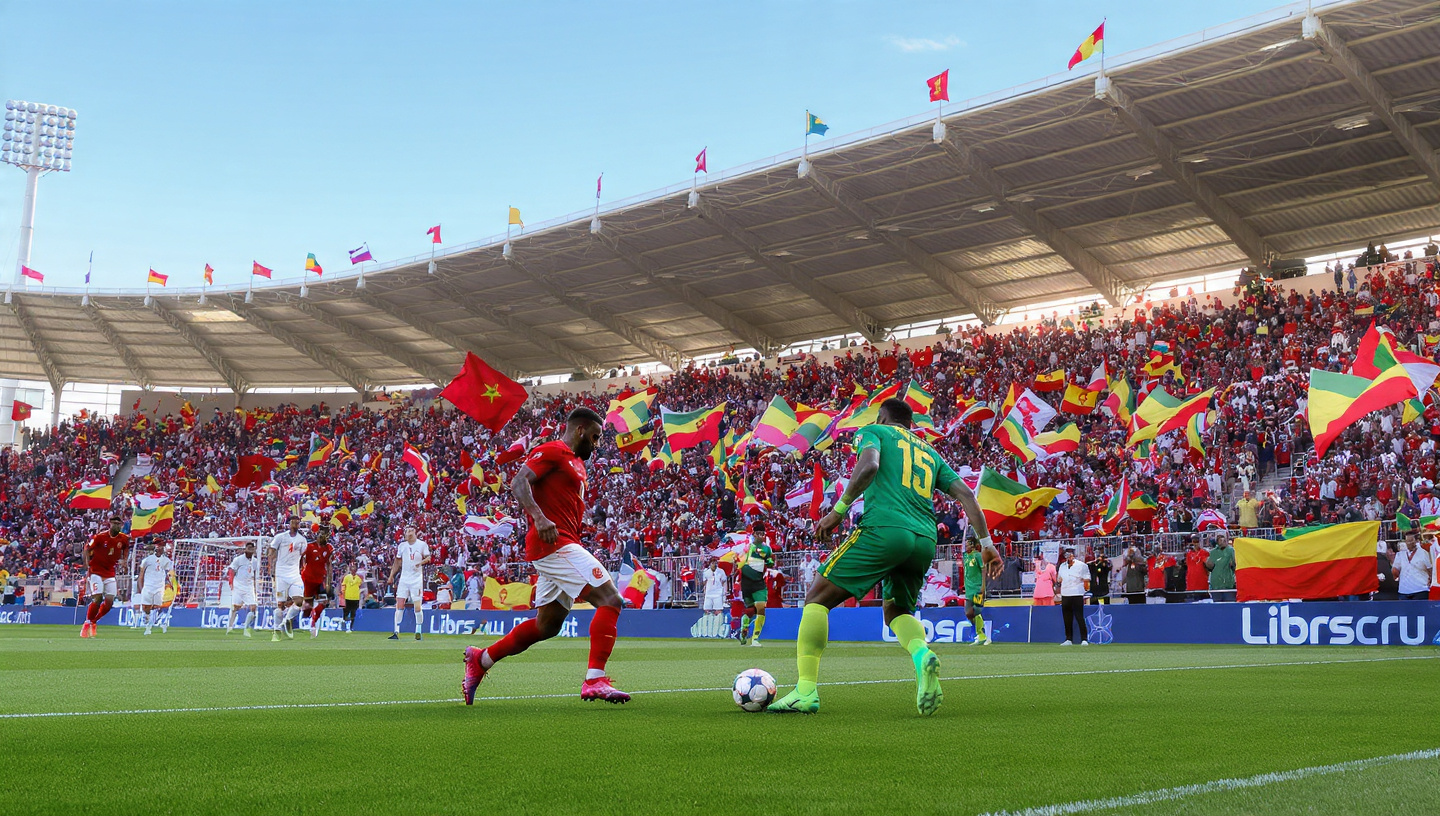
The Africa Cup of Nations (AFCON) often brings excitement, rivalries, and memorable football moments. However, in the recent discussions surrounding African football, the story is evolving beyond the pitch. Morocco has not only excelled on the field but is also emerging as a leader in controlling the narrative surrounding its football rivalry with Senegal. This shift illustrates how sports, media, and public perception intersect in modern African football.
Morocco’s On-Field Performance
Morocco’s recent AFCON campaigns have showcased tactical brilliance, disciplined gameplay, and consistent results. While Senegal boasts star players and a strong footballing tradition, Morocco’s focus on teamwork and strategy has allowed it to compete at the highest level. Their ability to maintain composure in high-stakes matches has strengthened their position not just in rankings, but also in media narratives.
Winning the Narrative Off the Field
Football today is as much about perception as performance. Morocco has successfully leveraged media and social platforms to shape how fans and analysts perceive its team. Through engaging storytelling, highlighting achievements, and emphasizing national pride, Morocco has managed to capture attention and admiration beyond Senegal’s traditionally dominant image.
Key strategies include:
- Media Engagement: Morocco’s football federation and media partners actively share positive stories, match highlights, and behind-the-scenes content.
- Social Media Strategy: Players and officials use platforms like Twitter, Instagram, and Facebook to connect with fans, shaping public sentiment in real time.
- Highlighting Youth Development: Morocco emphasizes its investment in grassroots and youth programs, positioning itself as a nation building sustainable football success.
Senegal’s Response
Senegal remains a powerhouse in African football, with international stars and strong performances in AFCON and global competitions. However, in the narrative war, they have faced challenges in projecting their story beyond their on-field exploits. Morocco’s focus on media engagement and public relations gives them an edge in shaping perceptions internationally.
The Role of Narrative in African Football
In the modern football landscape, narratives matter. They influence sponsorship deals, fan engagement, and even player recruitment. Countries that master both performance and storytelling gain a dual advantage: respect on the field and a strong reputation off it. Morocco’s approach illustrates this balance, showing that winning hearts and minds can be as impactful as winning matches.
Lessons for African Football
- Integrated Media Strategy: Teams must align on-field performance with strong communication to maximize their visibility.
- Fan Engagement: Using social platforms to create community and pride strengthens the team’s overall brand.
- Sustainable Development: Emphasizing youth development ensures long-term success and reinforces positive narratives.
Conclusion
Morocco’s success goes beyond the AFCON pitch. By combining solid football performance with strategic media engagement, Morocco is shaping a narrative that extends its influence over traditional football powers like Senegal. In the modern era, winning football matches is only part of the equation; controlling the story is equally essential. Morocco’s rise in this dual arena highlights how African nations can assert themselves both on and off the field, setting new standards for football excellence and public perception.
