



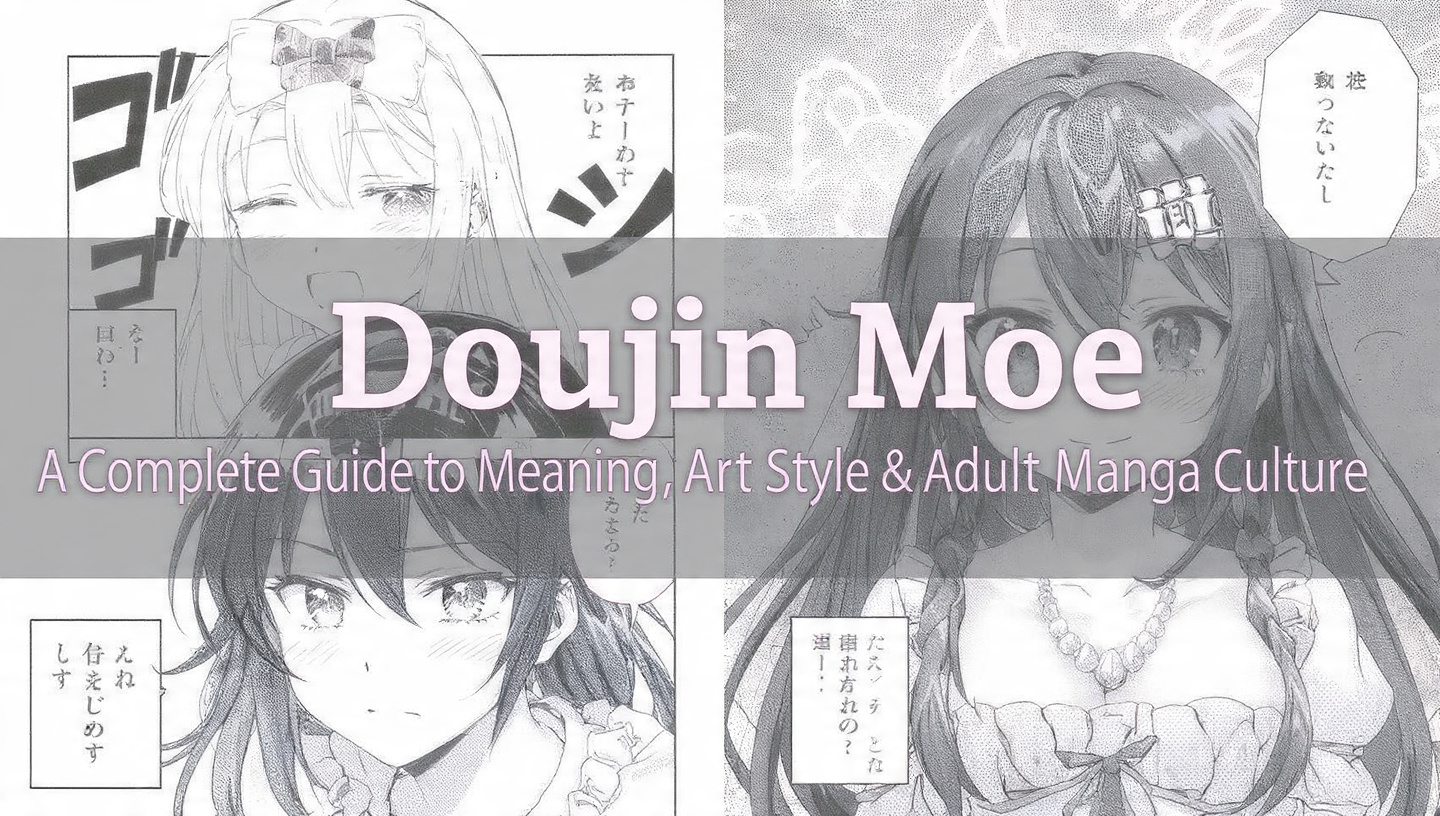
The term “Doujin Moe” combines two important concepts from Japanese pop culture: doujinshi and moe.
Together, they describe a niche yet influential space within manga and anime culture that emphasizes fan-created content with emotionally appealing or stylized characters.
In 2026, Doujin Moe continues to be a significant part of global fandom culture.
It reflects creativity, artistic freedom, and the ability of communities to shape their own narratives outside mainstream publishing.
What Does Doujin Moe Mean?
At its core, Doujin Moe refers to self-published works (doujinshi) that focus on moe-style characters and themes.
These works are often created by independent artists or small groups who produce content for niche audiences.
“Moe” itself refers to a feeling of affection or emotional attachment toward characters, often expressed through specific visual traits such as large eyes, soft expressions, and youthful designs.
When combined with doujinshi, it creates a genre that prioritizes emotional appeal, character-driven storytelling, and stylized visuals.
While some Doujin Moe works are lighthearted and wholesome, others may explore mature themes.
This diversity is part of what makes the genre both complex and widely discussed.
The Art Style of Doujin Moe
The visual identity of Doujin Moe is one of its most recognizable features.
Artists typically focus on soft, expressive character designs that evoke strong emotional responses.
Common characteristics include:
- Large, detailed eyes that convey emotion
- Simplified yet polished facial features
- Pastel or vibrant color palettes
- Emphasis on cuteness, innocence, or charm
This style is heavily influenced by mainstream anime and manga aesthetics but often allows for more experimentation.
Because doujinshi are independently produced, artists can push creative boundaries without the constraints of commercial publishers.
The result is a wide variety of artistic interpretations, all connected by the core idea of “moe” appeal.
The Role of Doujin Culture
Doujin Moe exists within the broader ecosystem of doujin culture, which is built on independent creation and fan participation.
Artists produce and distribute their work at events, online platforms, or through small-scale publishing.
One of the most famous events associated with this culture is Comiket, where thousands of creators showcase and sell their doujinshi.
Such events highlight the scale and importance of fan-driven content in Japan and beyond.
Doujin culture allows creators to reinterpret existing characters or create entirely new ones.
This freedom fosters innovation and gives rise to unique storytelling styles that may not appear in mainstream media.
Adult Themes and Controversy
It is important to note that some Doujin Moe works include adult-oriented content.
These works are typically intended for mature audiences and may explore themes not suitable for general readership.
However, Doujin Moe as a whole is not limited to adult material.
There are many works that focus purely on humor, romance, or slice-of-life storytelling.
The presence of adult content has contributed to both the popularity and controversy of the genre.
It raises discussions about artistic freedom, cultural differences, and the boundaries of creative expression.
Understanding this context is essential for a balanced view of Doujin Moe.
Why Doujin Moe Is Popular
The popularity of Doujin Moe can be attributed to several factors.
One key reason is its creative freedom, allowing artists to explore ideas without restrictions.
Another factor is community engagement.
Fans are not just consumers—they can also become creators, contributing to a dynamic and interactive culture.
The emotional appeal of moe-style characters also plays a significant role.
These designs create strong connections between audiences and characters, making the content more memorable and engaging.
Additionally, the accessibility of digital platforms has made it easier for creators to share their work globally.
This has expanded the reach of Doujin Moe far beyond Japan.
How Doujin Moe Works in Practice
In practical terms, Doujin Moe operates through a cycle of creation, sharing, and feedback.
Artists produce content, distribute it through events or online platforms, and receive responses from the community.
This feedback loop encourages continuous improvement and innovation.
Creators can adapt their style or storytelling based on audience reactions, leading to a constantly evolving genre.
Collaboration is also common.
Writers, illustrators, and designers often work together to produce high-quality doujinshi, blending different talents and perspectives.
Conclusion: A Unique Blend of Art and Culture
Doujin Moe represents a unique intersection of art, emotion, and community-driven creativity.
By combining the independence of doujinshi with the emotional appeal of moe aesthetics, it creates a vibrant and diverse cultural space.
While it includes a wide range of content—from wholesome to mature—it ultimately reflects the power of fan expression and artistic freedom.
As digital platforms continue to grow, Doujin Moe is likely to remain an influential and evolving part of global manga culture.
