



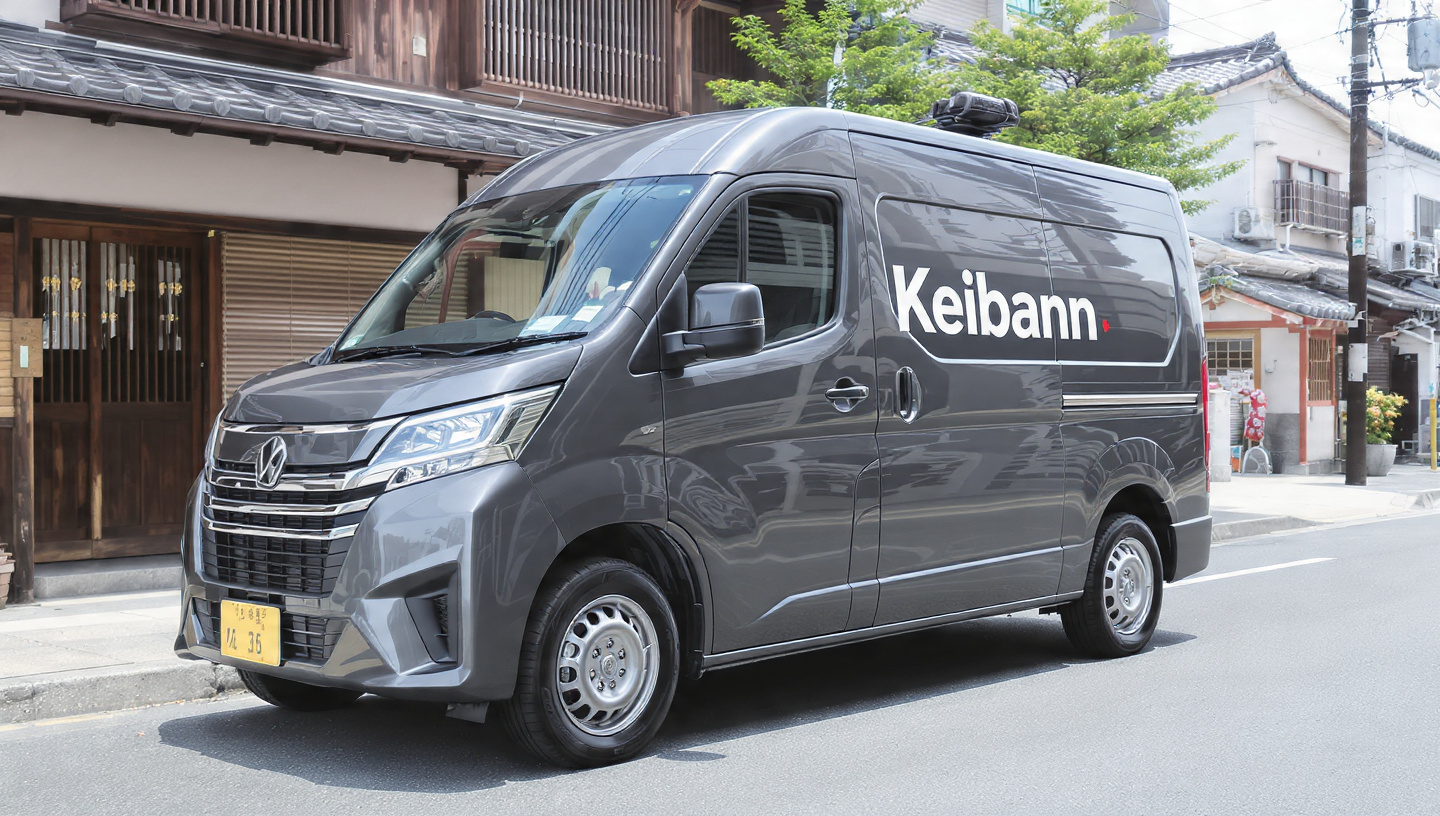
Japan’s urban landscape is defined by efficiency, compact design, and innovative transportation solutions.
Among these, Keibann — Japan’s light-duty delivery vans — have become a backbone of urban logistics, enabling businesses to transport goods quickly and efficiently through crowded streets.
These small yet versatile vehicles are essential for last-mile delivery, small business operations, and even personal use in tight city environments.
This guide explores everything you need to know about Keibann vans, from their history and specifications to practical applications and trends in 2026.
What Are Keibann Vans?
Keibann vans are a class of light-duty vehicles designed for urban delivery and small-scale transportation.
Typically, these vans are compact, fuel-efficient, and capable of navigating narrow streets that larger trucks cannot access.
The term “Keibann” refers to their status as lightweight commercial vehicles in Japan, often limited by engine size, dimensions, and cargo capacity to comply with specific tax and licensing regulations.
Despite their small size, these vans offer impressive utility and adaptability for a variety of delivery and logistical needs.
Key Features and Specifications
Keibann vans are designed with efficiency and practicality in mind.
Most models feature compact dimensions, typically under 3.4 meters in length, which makes them ideal for urban traffic and tight parking situations.
Engine sizes generally range from 600cc to 660cc, emphasizing fuel economy and reduced emissions.
Many modern Keibann models come equipped with automatic transmissions, advanced safety features, and ergonomic designs that prioritize driver comfort during long delivery shifts.
Cargo capacity varies by model but is sufficient for small to medium-sized loads, making these vehicles ideal for local businesses, online retailers, and service providers who need frequent deliveries.
Practical Applications
Keibann vans are used extensively across Japan in industries ranging from e-commerce to food delivery.
Businesses rely on these vehicles for their maneuverability, low operating costs, and reliability in congested urban centers.
Food delivery services, convenience stores, and courier companies often prefer Keibann vans because they allow quick stops and easy access to dense city neighborhoods.
Even small entrepreneurs and independent vendors can utilize these vehicles effectively, demonstrating their versatility across commercial applications.
Advantages of Keibann Vans
There are several reasons why Keibann vans remain popular in Japan:
- Compact Size: Easily navigates narrow streets and crowded urban areas.
- Fuel Efficiency: Low engine displacement leads to minimal fuel consumption.
- Cost-Effective: Affordable acquisition, maintenance, and insurance compared to larger vans or trucks.
- Regulatory Benefits: Often eligible for tax reductions and simpler licensing.
- Adaptability: Can be used for deliveries, mobile services, and even as customized utility vehicles.
These advantages have made Keibann a cornerstone of urban logistics in Japan, supporting both large corporations and small businesses alike.
Trends and Innovations in 2026
As technology evolves, so do Keibann vans.
In 2026, manufacturers are increasingly focusing on electric and hybrid models, reflecting Japan’s push toward sustainable transportation and reduced carbon emissions.
Other innovations include smart navigation systems, telematics for fleet management, and modular cargo configurations that allow businesses to adapt the vehicle to changing needs.
These developments ensure that Keibann vans remain relevant, efficient, and environmentally friendly while meeting modern logistical demands.
Choosing the Right Keibann Van
Selecting the right Keibann van requires considering several factors:
- Load Capacity: Ensure it fits your delivery needs without compromising maneuverability.
- Fuel Type: Decide between traditional gasoline, hybrid, or electric models based on cost and sustainability goals.
- Brand and Model Reputation: Reliability and service availability are crucial for consistent operations.
- Optional Features: Safety systems, air conditioning, and cargo accessories can enhance productivity and comfort.
By evaluating these aspects, businesses and individuals can select the ideal vehicle for their specific requirements.
Conclusion: Why Keibann Vans Are Essential
Keibann vans represent the perfect blend of compact design, efficiency, and practicality for urban transportation in Japan.
Their continued evolution in 2026, particularly with eco-friendly and smart technology integrations, ensures that they remain a vital part of logistics, delivery, and small business operations.
Whether you are a business owner seeking a reliable delivery solution or simply curious about Japan’s urban transportation innovations, understanding Keibann vans provides insight into how efficiency and practicality drive modern mobility.
