



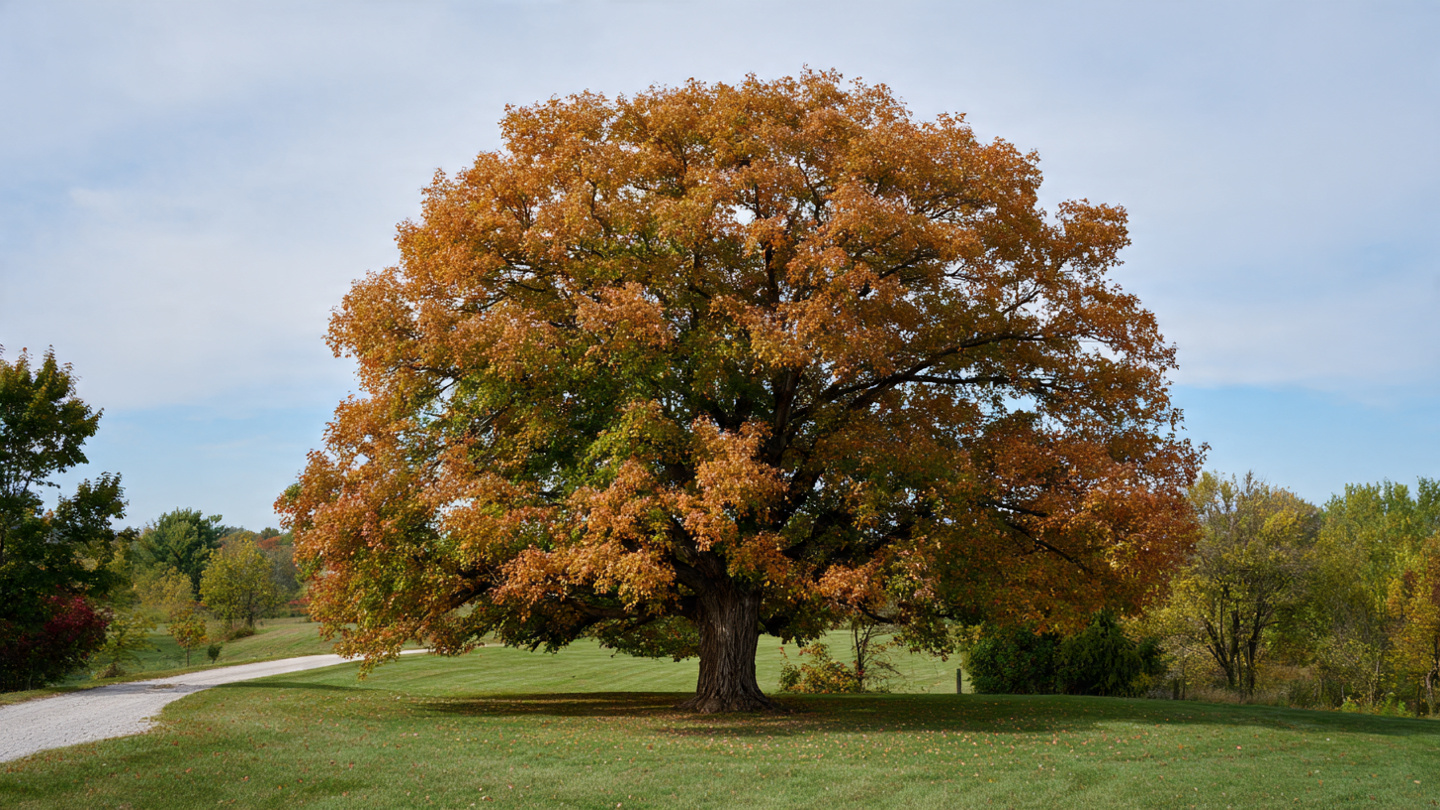
Lewis Center, Ohio, is more than just a charming suburban community — it’s home to some of the state’s most majestic and record-holding trees, known as Champion Trees. For nature lovers, environmental enthusiasts, and curious travelers, exploring these giant trees offers a unique glimpse into the region’s natural heritage.
This guide will walk you through what makes these trees special, how to find them, and why they are important for both ecological and cultural reasons.
What Are Champion Trees?
Champion Trees are trees recognized for their extraordinary size, age, or historical significance. The criteria typically include:
- Height – Tallest in the area or state
- Trunk circumference – Large girth or diameter
- Crown spread – Extensive branch and leaf coverage
- Species rarity – Unique or uncommon tree species
These trees are officially listed in registries like the Ohio Big Tree Program, which helps preserve and celebrate Ohio’s natural treasures.
Notable Champion Trees Near Lewis Center
1. The Giant Oak of Lewis Center
- Species: White Oak
- Height: ~85 feet
- Trunk Circumference: 12 feet
- Why It’s Special: One of the oldest trees in the county, this oak has survived storms, droughts, and human development for over 200 years.
2. Majestic Sycamore by Alum Creek
- Species: American Sycamore
- Height: ~90 feet
- Crown Spread: Over 70 feet
- Highlights: Known for its massive canopy, providing habitat for birds and small mammals, and a scenic spot for photography.
3. Historic Tulip Tree at Highbanks Metro Park
- Species: Tulip Poplar
- Height: ~95 feet
- Significance: This tree is a living reminder of Ohio’s native forests, representing both ecological and historical value.
Why These Trees Matter
1. Ecological Importance
Champion trees serve as:
- Carbon sinks, helping reduce greenhouse gases
- Wildlife habitats, supporting birds, insects, and mammals
- Biodiversity markers, preserving native tree species
2. Educational Value
Schools, universities, and environmental groups use these trees to teach:
- Tree biology and growth patterns
- Forest ecology and conservation strategies
- Historical significance of old-growth trees
3. Community and Cultural Significance
These trees are often landmarks, gathering spots, or symbols of natural heritage for Lewis Center and surrounding communities.
Tips for Visiting Champion Trees
- Plan Ahead – Check online resources or the Ohio Big Tree Registry for locations.
- Respect Nature – Stay on designated paths and avoid damaging roots or bark.
- Photography – Early morning or late afternoon light works best for capturing the trees’ grandeur.
- Educational Tour – Bring a guidebook or mobile app to learn about each species and its ecological role.
- Leave No Trace – Take all trash with you and preserve the environment for future visitors.
How to Support Tree Conservation
- Volunteer with local parks or tree-planting initiatives
- Donate to conservation programs that maintain Ohio’s champion trees
- Educate Others about the importance of preserving natural landmarks
- Advocate for city and state policies that protect old-growth trees
Conclusion
Exploring Lewis Center Ohio’s Champion Trees offers more than just a scenic adventure — it’s a journey into the region’s natural history, ecological importance, and cultural heritage. Whether you’re an avid hiker, a nature photographer, or a family looking for an outdoor adventure, these trees provide inspiration, education, and a chance to connect with Ohio’s rich environment.
By visiting and supporting conservation efforts, nature enthusiasts help ensure these majestic giants continue to thrive for generations to come.
