



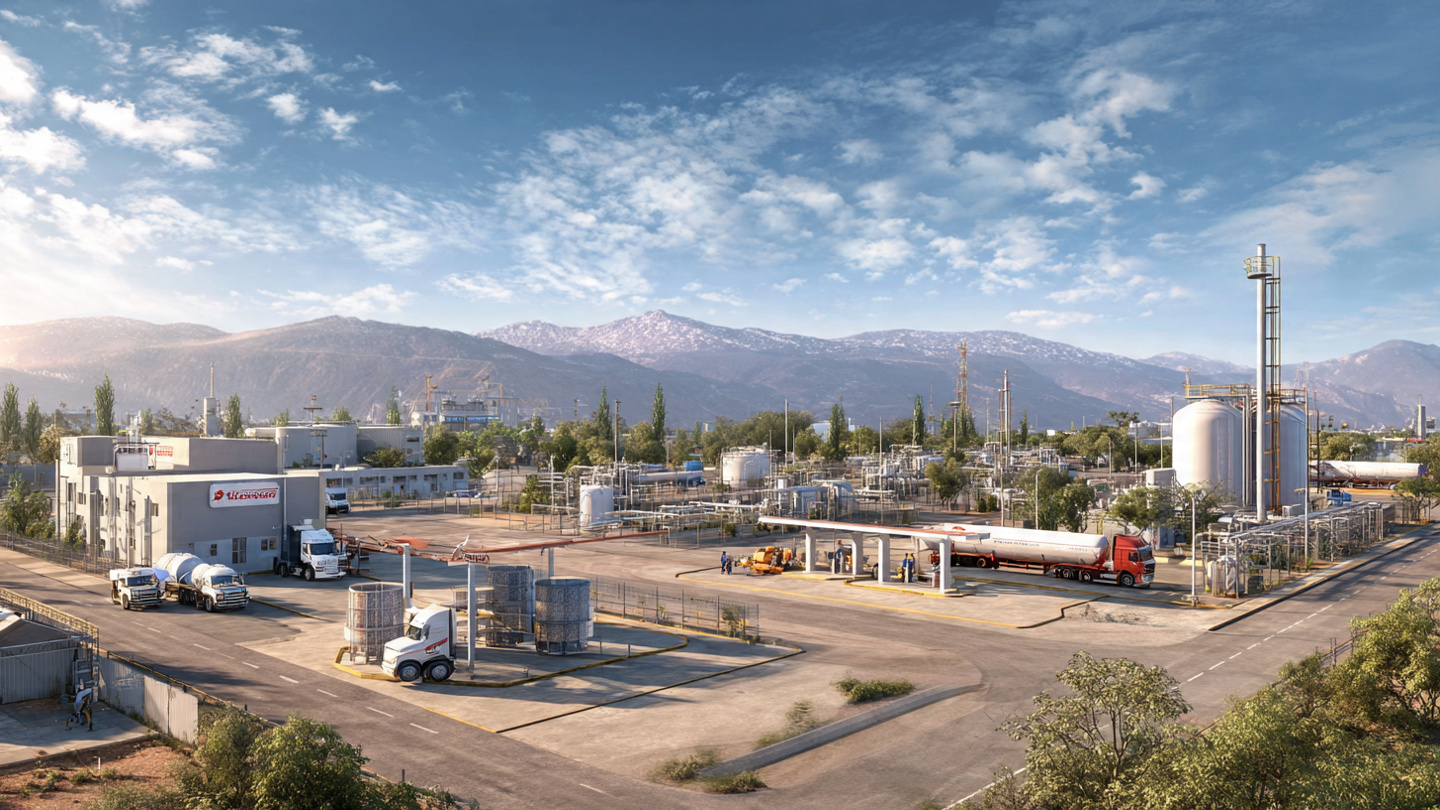
Decreto Supremo 160 is a Chilean regulatory framework issued by the Ministry of Energy that establishes strict technical and safety standards for the storage, handling, transportation, and distribution of liquid fuels. It primarily focuses on fuels such as gasoline, diesel, kerosene, and other petroleum-based products used in industrial, commercial, and private facilities.
This regulation exists to reduce environmental risks, prevent fuel-related accidents, and ensure that fuel installations operate under safe and standardized conditions.
It also plays a key role in protecting workers, communities, and infrastructure from hazards such as leaks, fires, and explosions.
At its core, Decreto Supremo 160 is not just a legal requirement—it is a safety system designed to regulate an entire fuel lifecycle.
From storage tanks to distribution networks, every stage must comply with clearly defined technical norms.
Key Scope and Applicability of the Regulation
The scope of Decreto Supremo 160 is broad, covering a wide range of facilities that store or handle liquid fuels in Chile. This includes gas stations, industrial plants, mining operations, transport depots, and even large commercial facilities with internal fuel storage systems.
Any organization that manages fuel above regulated thresholds must comply with the decree’s technical and operational requirements.
This ensures consistency across industries and minimizes the risk of unsafe fuel practices.
The regulation applies not only to new installations but also to modifications, expansions, and maintenance of existing fuel systems.
In many cases, older facilities must be upgraded to meet updated compliance standards.
Core Technical Requirements You Need to Know
Decreto Supremo 160 sets out detailed technical rules for fuel storage tanks, piping systems, ventilation, safety distances, and emergency systems. These requirements are designed to reduce the likelihood of leaks and ensure rapid response in case of an incident.
For example, fuel tanks must meet specific construction standards, including corrosion resistance and pressure tolerance.
They must also be installed with proper containment systems to prevent environmental contamination.
Piping systems are required to be leak-proof, regularly inspected, and protected from external damage.
In addition, facilities must maintain clear safety distances between fuel storage areas and occupied buildings.
Safety and Environmental Protection Measures
One of the most important aspects of Decreto Supremo 160 is its strong focus on environmental protection and accident prevention. The regulation requires companies to implement containment systems that can control spills and prevent fuel from reaching soil or water sources.
Emergency systems such as fire suppression equipment, alarms, and shut-off mechanisms are mandatory in most installations.
These systems must be regularly tested and maintained to ensure reliability during critical situations.
Training is also a key requirement.
Personnel working with fuel systems must be properly trained in safety procedures, emergency response, and operational handling of hazardous materials.
Compliance Process and Regulatory Oversight
Compliance with Decreto Supremo 160 involves a structured approval and inspection process overseen by Chilean regulatory authorities. Before a facility becomes operational, it must undergo technical evaluation and receive official authorization.
Inspections are carried out periodically to ensure ongoing compliance with safety standards.
These inspections may include system testing, documentation review, and on-site evaluations.
If a facility fails to meet requirements, corrective actions must be taken within a specified timeframe.
Non-compliance can result in fines, operational suspension, or legal consequences depending on the severity of the violation.
Common Compliance Challenges for Businesses
Many organizations face challenges when adapting to Decreto Supremo 160 due to its technical complexity and strict requirements. One of the most common issues is upgrading older infrastructure to meet modern safety standards.
Another challenge is maintaining continuous compliance during facility expansion or operational changes.
Even small modifications to fuel systems may require regulatory approval.
Documentation is also a frequent difficulty area.
Companies must maintain accurate records of inspections, maintenance activities, and safety certifications at all times.
Why Decreto Supremo 160 Matters for Industry and Society
The importance of Decreto Supremo 160 extends far beyond regulatory compliance. It directly contributes to public safety, environmental protection, and industrial reliability across Chile’s energy and fuel sectors.
By enforcing strict technical standards, the regulation reduces the risk of catastrophic fuel-related incidents.
This protects not only workers but also surrounding communities and ecosystems.
From an industry perspective, compliance improves operational efficiency and reduces long-term risks.
Companies that follow the regulation properly are less likely to face downtime, accidents, or financial penalties.
Final Thoughts
Decreto Supremo 160 is a foundational regulation in Chile’s energy safety framework, shaping how liquid fuels are handled across multiple industries. Its detailed technical requirements ensure that fuel systems are designed, operated, and maintained with maximum safety and environmental responsibility.
Understanding and complying with this regulation is not optional—it is essential for any organization working with liquid fuels in Chile.
When properly implemented, it creates a safer, more efficient, and more sustainable energy infrastructure for everyone involved.
