



Gout is a form of inflammatory arthritis that occurs when uric acid builds up in the body and forms crystals in the joints.
This condition often leads to sudden pain, swelling, and stiffness, most commonly in the feet, ankles, and knees.
Managing gout effectively requires a combination of lifestyle adjustments, and diet plays one of the most important roles.
The concept of “Goutabio” highlights how structured dietary choices can support better control of uric acid levels naturally.
By focusing on the right foods and avoiding triggers, many people can reduce flare-ups and improve long-term joint health.
This makes nutrition a key foundation in any gout management plan.
How Diet Influences Uric Acid Levels
Uric acid is produced when the body breaks down substances called purines, which are found in certain foods.
When purine intake is too high, uric acid levels can rise and increase the risk of gout attacks.
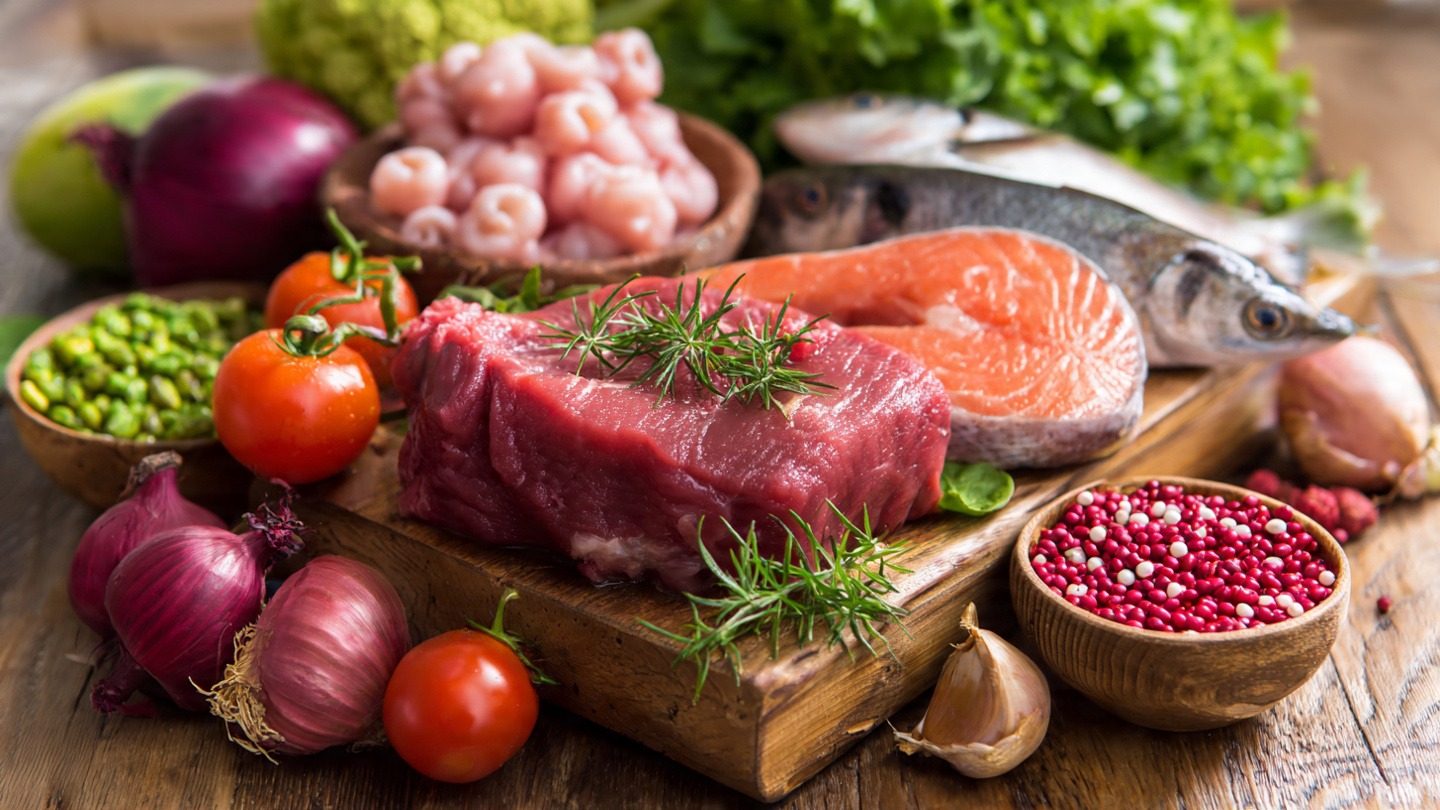
Foods rich in red meat, organ meats, and certain seafood are known to contribute to higher uric acid production.
These dietary choices can worsen symptoms if consumed frequently or in large amounts.
On the other hand, a balanced diet helps regulate uric acid and supports kidney function in removing excess waste.
This balance is essential for preventing recurring inflammation in the joints.
Beneficial Foods for Managing Gout
A gout-friendly diet focuses on foods that help reduce inflammation and support healthy uric acid levels.
Fruits such as cherries, berries, and citrus are often recommended due to their antioxidant properties.
Vegetables like leafy greens, cucumbers, and carrots are also beneficial and generally low in purines.
These foods help provide essential nutrients without increasing uric acid risk.
Low-fat dairy products may help reduce uric acid levels in the blood.
They also support overall bone and joint health, making them a valuable part of a daily diet.
Foods to Limit or Avoid
Certain foods can trigger gout flare-ups and should be limited as part of dietary management.
Red meat, processed meats, and organ meats are among the highest in purines.
Seafood such as sardines, shellfish, and anchovies can also increase uric acid levels.
Reducing these foods can significantly lower the risk of painful attacks.
Sugary drinks and high-fructose foods may also contribute to gout symptoms.
They can interfere with the body’s ability to properly regulate uric acid production.
Hydration and Its Importance in Gout Management
Staying well-hydrated is a crucial part of managing gout effectively.
Water helps the kidneys flush out excess uric acid from the body.
When hydration levels are low, uric acid becomes more concentrated in the bloodstream.
This increases the likelihood of crystal formation in the joints.
Drinking enough water throughout the day supports better metabolic balance.
It is one of the simplest yet most effective habits for gout prevention.
Lifestyle Factors Supporting Dietary Changes
While diet is essential, other lifestyle factors also play a role in gout management.
Maintaining a healthy weight can reduce pressure on joints and lower uric acid levels.
Regular physical activity helps improve circulation and overall metabolic health.
Even moderate exercise can support long-term joint function.
Limiting alcohol consumption is also important, as alcohol can increase uric acid production.
Combining these habits with dietary changes creates a more effective management strategy.
Conclusion: The Goutabio Approach to Better Health
The Goutabio approach emphasizes the power of dietary awareness in managing gout effectively.
By choosing the right foods and avoiding known triggers, individuals can significantly reduce symptoms.
Balanced nutrition, proper hydration, and healthy lifestyle habits all work together to support joint health.
This holistic strategy helps maintain stable uric acid levels over time.
Ultimately, managing gout is not just about treatment—it is about consistent, mindful living choices that support long-term wellness.
