



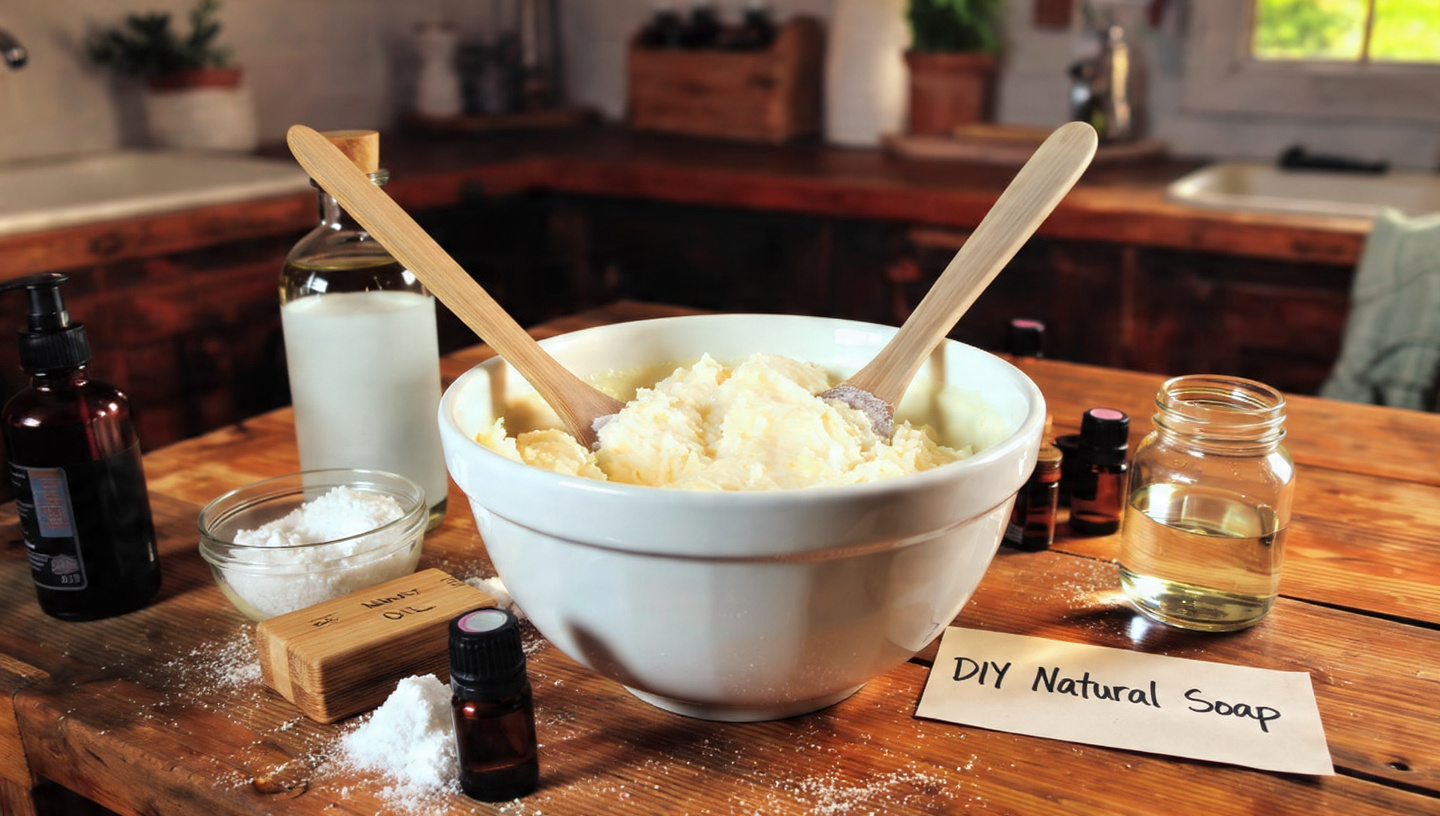
Making natural cleaning products at home has become increasingly popular as people look for safer, eco-friendly alternatives to commercial products.
Homemade hand and dish soap allows you to control the ingredients you use, avoid harsh chemicals, and reduce plastic waste.
Many store-bought soaps contain artificial fragrances, dyes, and preservatives that may irritate sensitive skin.
By making your own soap at home, you can create a gentle yet effective cleaning solution that works well for both hands and dishes.
The good news is that DIY soap making does not require complicated equipment or expensive materials.
With a few natural ingredients and simple steps, anyone can produce a useful household product in just a short amount of time.
Why Choose Natural Homemade Soap
Natural soaps are becoming more popular because they are healthier for both the skin and the environment.
Commercial soaps often contain synthetic additives that can strip natural oils from the skin.
Homemade soap, on the other hand, can be made with moisturizing ingredients such as olive oil, coconut oil, and essential oils.
These ingredients help clean effectively while keeping hands soft and hydrated.
Another advantage is environmental sustainability.
Creating your own soap reduces plastic packaging and minimizes the release of harsh chemicals into water systems.
For families trying to live a more eco-friendly lifestyle, DIY soap is a small but meaningful step toward sustainable living.
Basic Ingredients You Will Need
Before starting the process, gather a few simple ingredients that are easy to find in grocery stores or online.
Most DIY soap recipes rely on natural oils and gentle cleansers.
Common ingredients include liquid castile soap, distilled water, coconut oil, and essential oils for fragrance.
Castile soap is a plant-based soap that is gentle yet effective for cleaning.
You may also add baking soda or vinegar for extra grease-cutting power when making dish soap.
For hand soap, ingredients like aloe vera gel or glycerin can help keep skin moisturized.
Using high-quality natural ingredients ensures the final product is both safe and effective.
How to Make Natural Hand Soap
Creating homemade hand soap is simple and only takes a few minutes.
Start by selecting a clean soap dispenser or reusable bottle.
Mix one cup of liquid castile soap with one cup of distilled water in the container.
This creates a balanced formula that cleans well without being too thick.
Next, add one teaspoon of coconut oil or vegetable glycerin to help moisturize the skin.
Then include 5–10 drops of your favorite essential oil, such as lavender, lemon, or tea tree.
Gently shake the bottle to combine the ingredients.
Your natural hand soap is now ready to use.
This soap is mild, effective, and suitable for daily hand washing.
How to Make Natural Dish Soap
Homemade dish soap is also easy to prepare and works well for everyday kitchen cleaning.
Begin with one cup of liquid castile soap as the base ingredient.
Add half a cup of distilled water to thin the mixture slightly.
Then mix in one tablespoon of baking soda to boost grease-cutting ability.
Next, add one tablespoon of white vinegar or lemon juice.
These ingredients help break down oil and remove odors from dishes.
Finally, include 10–15 drops of lemon or orange essential oil for a fresh scent and added antibacterial benefits.
Shake the bottle gently until everything is well mixed.
This natural dish soap works well for washing plates, glasses, and utensils while being gentle on the hands.
Helpful Tips for Best Results
While homemade soap is easy to make, a few tips can improve its effectiveness.
Always use distilled or filtered water to prevent bacteria growth and extend shelf life.
Store your soap in clean, airtight containers and keep them away from direct sunlight.
If the soap separates slightly over time, simply shake it before using.
You can also customize recipes depending on your preferences.
For example, adding a little more baking soda increases dish soap strength, while extra glycerin improves hand soap moisture.
Benefits of DIY Soap Making
Making soap at home offers several advantages beyond cost savings.
It allows families to avoid chemicals commonly found in commercial cleaning products.
DIY soap is also customizable, meaning you can adjust ingredients to match your skin type or scent preferences.
This flexibility makes it an appealing option for people with allergies or sensitive skin.
Another major benefit is reducing household waste.
Refilling the same soap bottles again and again cuts down on plastic consumption.
Over time, this small change can contribute to a healthier home environment and a cleaner planet.
Final Thoughts
Learning how to make natural hand and dish soap at home is a simple yet rewarding skill.
With just a few natural ingredients, you can create effective cleaning products that are safer for your skin and the environment.
Homemade soap reduces exposure to harsh chemicals, saves money, and supports a more sustainable lifestyle.
Once you try it, you may find that DIY cleaning products become a regular part of your household routine.
By taking small steps like this, anyone can move toward healthier, eco-friendly living while maintaining a clean and comfortable home.
