



When it comes to fashion terminology, the words “gown” and “dress” are often used interchangeably, but they are not exactly the same.
While both refer to garments typically worn by women, the distinction lies in formality, design, and cultural usage.
Understanding the difference between a gown and a dress can help you choose the right outfit for any occasion, from casual outings to elegant events.
What Is a Dress?
A dress is a broad term used to describe a one-piece garment that includes a top and a skirt, covering the body from the shoulders down.
Dresses come in a wide range of styles, lengths, and fabrics, making them suitable for everyday wear as well as semi-formal occasions.
From summer sundresses to office wear and cocktail attire, dresses are versatile and widely used across different cultures and settings.
They can be simple or elaborate, short or long, depending on the purpose and personal style.
What Is a Gown?
A gown is typically a more formal and elegant type of dress, often associated with special occasions.
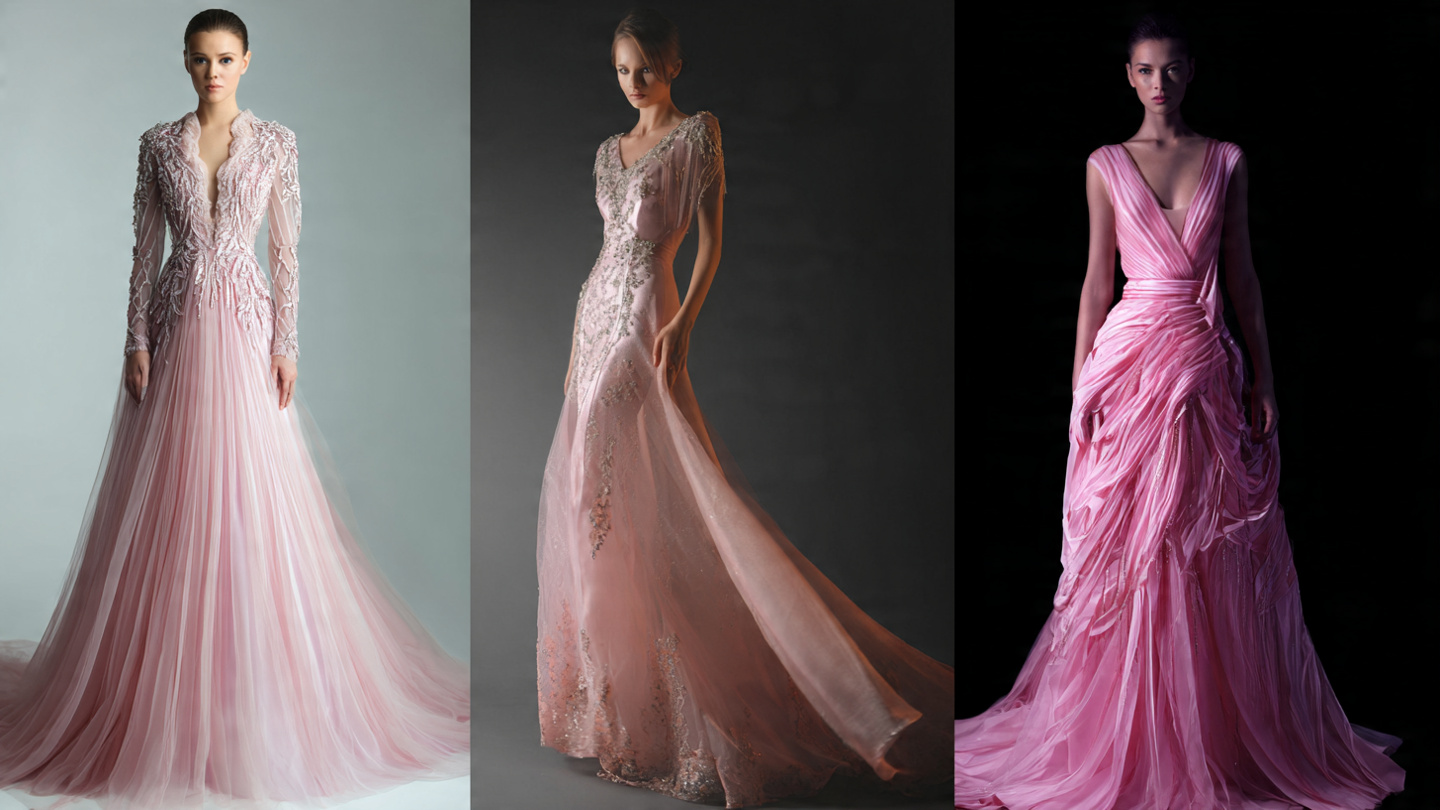
Gowns are usually long, flowing, and made from luxurious fabrics such as silk, satin, or chiffon.
They are designed to create a sophisticated and graceful appearance, often featuring detailed embellishments like embroidery, sequins, or lace.
Gowns are commonly worn at events such as weddings, galas, red carpet appearances, and formal dinners.
Key Differences Between a Gown and a Dress
The primary difference between a gown and a dress lies in the level of formality.
While all gowns can be considered dresses, not all dresses qualify as gowns.
Gowns are generally floor-length and reserved for formal or ceremonial occasions, whereas dresses can range from casual to semi-formal and come in various lengths.
Another key distinction is fabric and design. Gowns often use high-end materials and intricate detailing, while dresses may be simpler and more practical for everyday use.
Length and Silhouette
Length plays a significant role in distinguishing between the two.
Gowns are almost always long, often reaching the floor or even extending into a train.
Dresses, on the other hand, can be mini, knee-length, midi, or maxi, offering more flexibility in style.
The silhouette of a gown is typically more structured or flowing in a dramatic way, while dresses can be tailored, loose, fitted, or casual.
Occasions and Usage
Dresses are suitable for a wide variety of occasions, including daily wear, office settings, casual gatherings, and semi-formal events.
Gowns are reserved for more formal occasions such as weddings, proms, award ceremonies, and evening galas.
Choosing between a gown and a dress often depends on the event’s dress code and the level of elegance required.
Cultural and Fashion Influence
Fashion trends and cultural influences also affect how these terms are used.
In some regions, the term “gown” may specifically refer to evening wear or bridal attire, while “dress” remains a general category.
Modern fashion has blurred the lines slightly, with designers creating hybrid styles that combine elements of both gowns and dresses.
However, the traditional distinction based on formality still remains widely recognized.
Why the Difference Matters
Understanding the difference between a gown and a dress is important for making appropriate fashion choices.
Wearing a gown to a casual event may feel overdressed, while choosing a simple dress for a formal occasion might seem underwhelming.
Knowing the context helps you align your outfit with the expectations of the event, ensuring both comfort and confidence.
Conclusion
Although the terms “gown” and “dress” are closely related, they serve different purposes in the world of fashion.
A dress is a versatile, everyday garment, while a gown represents elegance, formality, and special occasions.
By understanding their differences, you can make more informed style decisions and present yourself appropriately for any event.
