



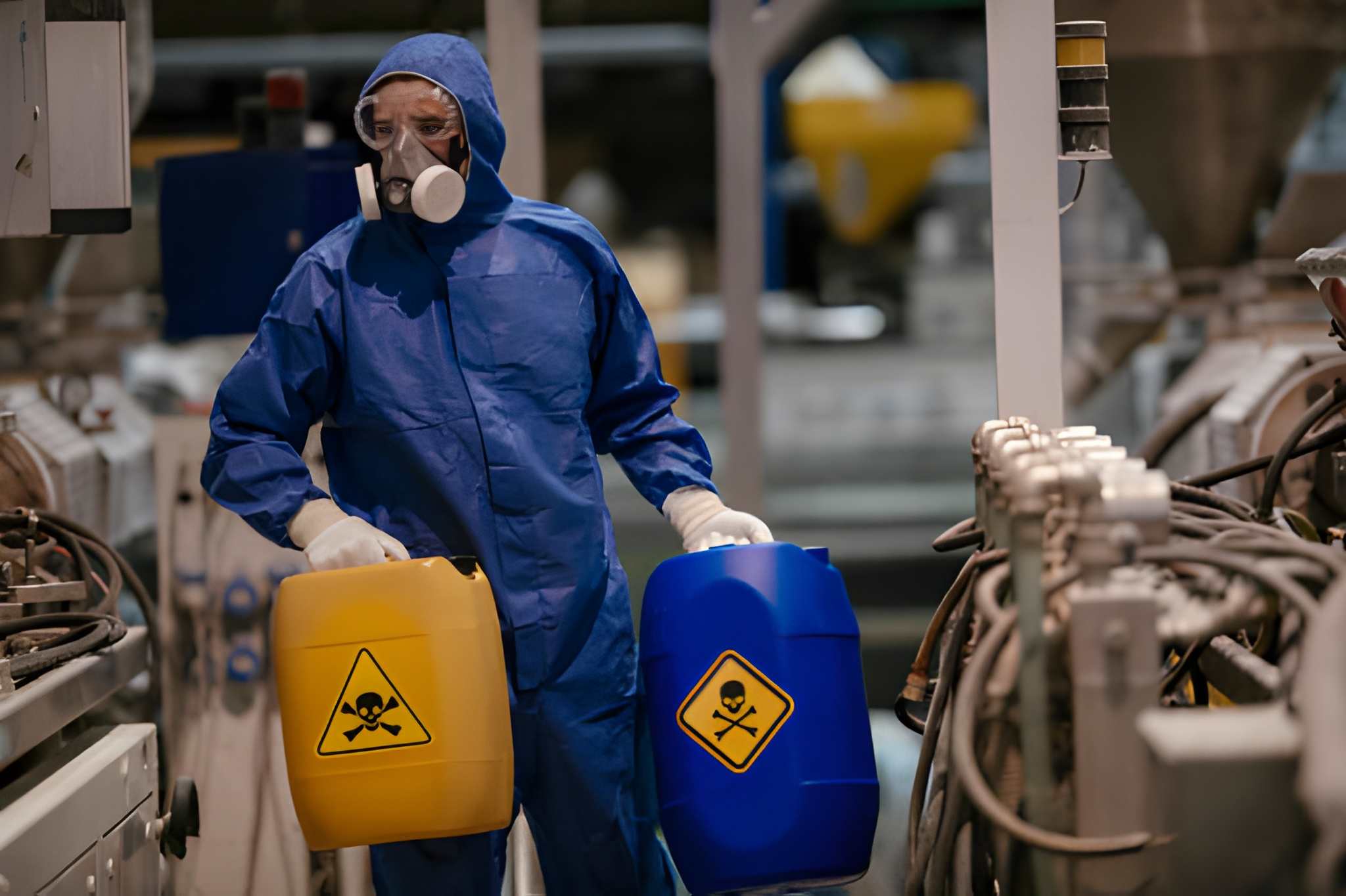
Asbestos-related materials continue to pose serious health risks, even decades after their dangers became widely known.
One lesser-known but significant asbestos product is asbestlint, a material once commonly used for insulation, sealing, and heat resistance in buildings and industrial environments.
Although asbestos use has been restricted or banned in many countries, asbestlint can still be found in older structures and equipment.
Because its presence is often hidden, many people remain unaware of the potential health threat it represents.
Understanding what asbestlint is and why it is dangerous is essential for protecting public health.
What Is Asbestlint?
Asbestlint is a ribbon- or tape-like material made primarily from asbestos fibers.
It was designed to be flexible, durable, and resistant to heat, fire, and chemical damage.
Historically, asbestlint was used to wrap pipes, seal joints, insulate boilers, and protect machinery exposed to high temperatures.
Its fibrous structure made it effective at trapping heat, but that same structure also allowed microscopic asbestos fibers to become airborne.
Once disturbed, asbestlint can release fibers that are invisible to the naked eye yet extremely hazardous when inhaled.
Where Asbestlint Is Commonly Found
Asbestlint is most often found in older buildings, particularly those constructed or renovated before strict asbestos regulations were introduced.
It may be present in basements, boiler rooms, industrial facilities, shipyards, or heating systems.
Because asbestlint is often hidden behind walls, insulation layers, or mechanical systems, it can remain undetected for years.
Routine maintenance, renovations, or accidental damage can expose the material and release asbestos fibers into the air.
This hidden nature makes asbestlint especially dangerous for homeowners, workers, and contractors who are unaware of its presence.
Health Risks Associated With Asbestlint
The primary danger of asbestlint lies in the inhalation of asbestos fibers.
When inhaled, these fibers can become lodged in the lungs and remain there for decades.
Long-term exposure to asbestos is strongly linked to serious diseases such as asbestosis, lung cancer, and mesothelioma, a rare but aggressive cancer affecting the lining of the lungs or abdomen.
Symptoms often take many years to appear, which makes early exposure particularly dangerous.
Even short-term exposure can increase health risks, especially when asbestos fibers are released in high concentrations.
Why Asbestlint Is Especially Hazardous
Asbestlint is considered particularly hazardous because of its friable nature, meaning it can easily crumble and release fibers when disturbed.
Unlike solid asbestos-containing materials, asbestlint does not require heavy damage to become dangerous.
Simple actions such as cutting, pulling, or removing the tape can release large numbers of airborne fibers.
These fibers can spread throughout indoor spaces, increasing exposure risks for occupants.
Because asbestos fibers are microscopic and odorless, exposure often occurs without any immediate warning signs.
Regulations and Legal Status
Due to its severe health risks, asbestos — including asbestlint — is heavily regulated or banned in many countries.
However, regulations typically focus on use and installation, not automatic removal.
This means that asbestlint may legally remain in place if it is undamaged and properly contained.
Removal or disturbance usually requires licensed professionals who follow strict safety procedures.
Improper handling of asbestlint can result in legal penalties as well as serious health consequences.
What to Do If You Suspect Asbestlint
If you suspect the presence of asbestlint, it is critical not to touch or disturb the material.
Professional asbestos inspection and testing are the only safe ways to confirm its presence.
Licensed asbestos removal specialists use protective equipment, containment methods, and disposal protocols to minimize exposure.
Attempting to remove asbestlint without proper training greatly increases the risk of fiber release.
Early identification and professional management are key to reducing long-term health risks.
Preventing Exposure and Protecting Health
Awareness is the first step in preventing asbestos-related illness.
Property owners, workers, and renovation professionals should be educated about materials like asbestlint and their potential dangers.
Regular building assessments and adherence to safety regulations help reduce accidental exposure.
Using trained professionals for inspection and removal ensures that health risks are minimized.
Protecting against asbestlint exposure protects not only individuals, but also families, coworkers, and communities.
Conclusion
Asbestlint is a hidden but serious health threat rooted in outdated construction and industrial practices.
Although it may appear harmless, its asbestos fibers pose long-term risks that can lead to severe and life-threatening illnesses.
Understanding what asbestlint is, where it is found, and how it affects health empowers individuals to take appropriate precautions.
With proper awareness, regulation, and professional handling, the dangers of asbestlint can be effectively managed and reduced.
