




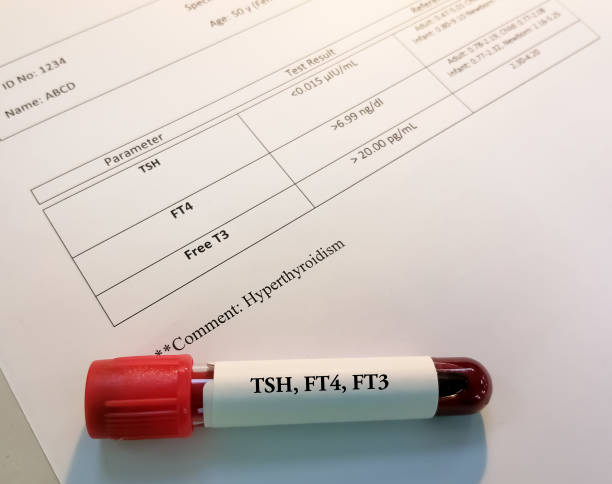
Introduction to TSH w/Reflex to FT4 Testing
Thyroid health plays a crucial role in your overall well-being, affecting everything from your energy levels to mood and metabolism. If you’ve ever received a recommendation for TSH w/Reflex to FT4 testing, you may be wondering what it all entails. This test can provide valuable insights into how your thyroid is functioning and its impact on your body. Understanding the nuances of TSH (Thyroid-Stimulating Hormone) and FT4 (Free Thyroxine) results is essential for recognizing signs of imbalance that could signal potential health issues. Let’s dive deeper into this important topic so you can better grasp what these tests mean for you!
What is TSH and FT4?
TSH, or thyroid-stimulating hormone, plays a vital role in regulating the body’s metabolism. It is produced by the pituitary gland and signals the thyroid to produce hormones necessary for energy and overall health.
FT4, on the other hand, stands for free thyroxine. This hormone is one of two primary hormones secreted by the thyroid gland. FT4 circulates freely in the bloodstream and helps manage various bodily functions like heart rate and temperature regulation.
Both TSH and FT4 are crucial indicators of thyroid health. When one level fluctuates, it can impact how well your body performs daily tasks. Understanding these hormones is essential for identifying potential issues with thyroid function early on. Monitoring them through testing provides invaluable insights into your overall well-being.
Understanding the Results
Understanding the results of your TSH w/Reflex to FT4 test can feel overwhelming. However, breaking it down makes it manageable.
TSH, or thyroid-stimulating hormone, is released by the pituitary gland. Its primary role is to regulate the production of thyroid hormones—primarily FT4 (free thyroxine). A high TSH level often indicates hypothyroidism, suggesting that your thyroid isn’t producing enough hormones.
Conversely, low levels of TSH might point towards hyperthyroidism. This condition occurs when excess thyroid hormones circulate in your body.
FT4 levels complement this picture by measuring active hormone availability. Elevated FT4 alongside suppressed TSH could indicate an overactive thyroid function.
These insights into hormonal balances are crucial for proper diagnosis and treatment planning. Each individual’s case varies, so discussing your specific results with a healthcare professional is essential for personalized care.
Common Signs and Symptoms Associated with Abnormal TSH and FT4 Levels
Abnormal TSH and FT4 levels can lead to a variety of noticeable symptoms. Those with high TSH might experience fatigue, weight gain, and cold intolerance. These signs often indicate an underactive thyroid.
Conversely, low TSH levels can signal hyperthyroidism. People may face unexpected weight loss, increased heart rate, or anxiety. Sweating excessively is also common in this condition.
Other symptoms include changes in mood and cognitive functions. Difficulty concentrating or memory issues can arise from imbalanced thyroid hormones as well.
Menstrual irregularities are another symptom that many may overlook. Women often notice changes in their cycle due to fluctuating hormone levels.
If you find yourself experiencing these signs consistently, it’s essential to consult a healthcare professional for proper evaluation and testing.
Health Impact of Imbalanced Thyroid Function
Imbalanced thyroid function can significantly affect overall health. When levels of TSH and FT4 are abnormal, the body struggles to maintain balance. This can lead to a host of issues.
Hypothyroidism may cause fatigue, weight gain, and depression. Individuals might feel cold all the time or experience hair loss. These symptoms can disrupt daily life and diminish well-being.
On the flip side, hyperthyroidism brings its own set of challenges. Increased heart rate, anxiety, and unintended weight loss are common markers. People may also face sleepless nights due to heightened energy.
Long-term imbalances raise risks for more severe conditions like heart disease or osteoporosis. Chronic thyroid dysfunction should never be overlooked; it requires careful monitoring and management for lasting health benefits.
Treatment Options for Abnormal TSH and FT4 Levels
When faced with abnormal TSH and FT4 levels, the treatment approach varies based on the underlying cause. For hypothyroidism, doctors commonly prescribe synthetic thyroid hormone replacement therapy, such as levothyroxine. This helps to restore normal hormone levels.
In cases of hyperthyroidism, options may include antithyroid medications like methimazole. These drugs decrease hormone production in the thyroid gland.
Radioactive iodine therapy is another option for hyperthyroidism. It effectively targets overactive thyroid cells and reduces their activity.
For those with goiter or nodules causing imbalances, surgery might be necessary to remove all or part of the thyroid gland.
Lifestyle changes can also play a role in managing symptoms through diet and regular monitoring of health markers. Each patient’s needs are unique; thus personalized care from healthcare professionals is crucial for effective management.
Importance of Regular Thyroid Testing
Regular thyroid testing is crucial for maintaining overall health. The thyroid gland plays a significant role in regulating metabolism, energy levels, and hormonal balance.
Many people remain unaware of their thyroid function until symptoms become severe. Routine tests can catch imbalances early, allowing for timely intervention.
Monitoring TSH and FT4 levels helps identify potential issues before they escalate into serious conditions. Early detection can prevent complications such as heart problems or weight gain.
For those with a family history of thyroid disorders, regular check-ups are even more essential. Understanding your body’s needs empowers you to make informed decisions about your health.
Consulting with healthcare professionals ensures personalized care based on test results. Regular assessments not only support physical well-being but also enhance quality of life by preventing unnecessary discomfort and anxiety related to undiagnosed conditions.
Conclusion
Understanding TSH w/Reflex to FT4 testing is crucial for maintaining optimal health. Abnormal thyroid hormone levels can lead to various issues, impacting energy levels, weight, and overall well-being. Recognizing the signs and symptoms of imbalanced thyroid function empowers individuals to seek timely medical advice.
Regular monitoring through thyroid tests allows for early detection of potential problems. With appropriate treatment options available—ranging from medication to lifestyle changes—managing thyroid health becomes more achievable.
Taking an active role in your health by understanding these tests can promote better outcomes and enhance quality of life. Staying informed about your body’s needs is key to long-term wellness.
